The Best Dog Breeds for Renters!
We have done research! As it turns out, choosing the right dog for your apartment life isn't just about finding a breed you like the look of; it's about matching energy levels, noise tolerance, grooming needs, and climate. Add in a tiny balcony, unpredictable weather, or a busy schedule, and suddenly, your dream of dog ownership needs a little strategic thinking. The good news? There's a perfect dog breed for just about every living situation, whether you live in a sprawling ranch with a yard or a snug post-war walk-up in NYC.
Dogs That Thrive in Small Apartments
Size isn't always the first thing to consider. For example, a Great Dane can be an apartment dog due to its relaxed demeanor. What matters more is temperament, energy level, and barking tendencies. Will a doorbell or buzzer cause a barking fit? If so, they might not be suited for apartment life (or drive your neighbors crazy!)
The French Bulldog is among the top apartment dogs worldwide. They're naturally quiet, not overly energetic, and don't need a backyard to feel content. Frenchies are indoor dogs through and through, and their tendency to nap next to you for hours makes them ideal for apartment dwellers who work from home. Another excellent choice is the Cavalier King Charles Spaniel. A famous King Charles belongs to Charlotte on Sex and the City (named ‘Elizabeth Taylor’!) These gentle, affectionate dogs possess the unique ability to adapt to both busy households and quiet single individuals. They're friendly with neighbours and calm with kids, and their moderate energy means daily walks are enough to keep them content.
Even the tiny Chihuahua, often underestimated, is a surprisingly practical option for apartments, as long as you're mindful of their occasional yappiness. They love warmth, prefer to be close to their humans, and are very easy to carry, travel with, or tuck into a sweater on cooler days.
Mid-Sized Breeds That Love a Bit More Room
If you have a slightly bigger space, a 1-2 bedroom apartment with decent light and maybe even a balcony, your options open up. These breeds are great for renters who want a companion that can handle a bit more stimulation but still won't go stir-crazy indoors.
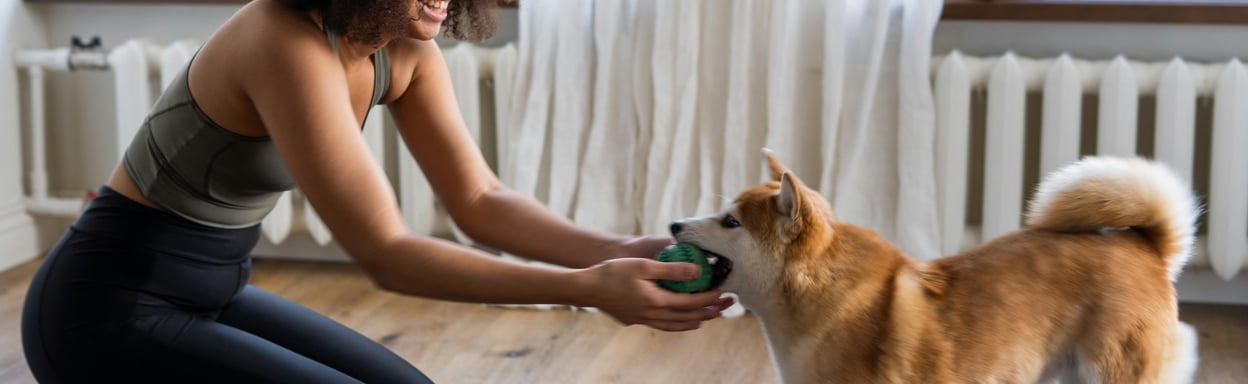
The Shiba Inu, often described as the cat of the dog world, is perfect for independent types. Shibas are clean, low-odor, and relatively quiet, making them good neighbours. They do need consistent training, but they won't cling to your side 24/7. What's more, they love colder weather and will happily trot through snow or rain. A Miniature Schnauzer is another standout choice. These dogs are intelligent, hypoallergenic and adaptable. They're alert without being high-strung and make excellent companions for small families or older couples.
For something a little more compact, the Boston Terrier offers some city-savvy energy. They're small but sturdy, friendly but not overly excitable, and they do exceptionally well in temperate climates where they're not overwhelmed by heat or cold. You will definitely need to get this breed out for a daily walk, which in our eyes is a perfect excuse to visit your local coffee house or bodega.
Big Dogs in Small Apartments? Yes, If You Know the Right Ones
It might surprise some people, but not all large dogs need large yards. Some of the best apartment dogs are tall and lean couch potatoes who need a daily walk and a soft place to land. The Greyhound, for instance, is one of the most famously low-maintenance large breeds. Despite being bred for racing, most retired Greyhounds are gentle, lazy, and calm indoors. They're not barkers, they love lounging, and with a good walk in the morning and evening, they'll happily snooze the rest of the day away.
Closely related in personality is the Whippet, a smaller cousin of the Greyhound. Whippets are known for being clean, quiet, and affectionate with their humans. While they love the occasional zoom around a dog park, they're very content with apartment living—as long as they have access to a soft bed and a bit of sun. Fun fact: Whippets are often mistaken for greyhound pups, but they are even faster than their cousins, achieving the fastest speed for their weight with a signature double gallop run.
If you're after a large, intelligent, and more "active" dog that still fits apartment life, the Standard Poodle is a top-tier option. Their hypoallergenic coat (technically hair!) and high trainability make them one of the most versatile breeds around. Poodles do need mental stimulation, but they're highly adaptable to both climate and schedule—as long as you stay engaged with them. Miniature poodles can also make a great fit for apartment living, and poodle mixed breeds often share the same coat and generally have a low shedding rate. However, with poodle mixes (for example, a Goldendoodle), the temperaments are a mix and its best to do your research.
Make Sure your Dog Breed Thrives in Your Climate
Dogs have evolved (and been bred) for particular weather conditions, and mismatching them can lead to discomfort, especially in extreme heat or cold.
Hot and Humid In tropical or subtropical regions, it is essential to avoid thick-coated breeds that are prone to overheating. Dogs like the Basenji, which has a short, fine coat and an almost feline-like sense of cleanliness, do well in warmer climates. So do Italian Greyhounds, who thrive in warm indoor environments and love basking in sunlit windows.
Short-nosed breeds, such as French Bulldogs or Pugs, can thrive in warm climates, but they require extra care and should never be left outside for extended periods. Doggy outerwear, such as sweaters and boots, can help these breeds withstand the cold and prevent paw damage from salt and ice.
Cold Weather Companions If you live in a cooler climate, then you'll want a breed that can tolerate low temps and snow.
Shiba Inus, Bernese Mountain Dogs, and Keeshonds are all excellent dogs for cold weather. Their double coats insulate them well, just be prepared for regular grooming and frequent vacumm sessions! Darker furniture will be a magnet for all of the extra fur.
All-Weather Dogs Some breeds are incredibly versatile and can thrive in almost any environment. Poodles, Labradoodles, and Cocker Spaniels do well in most climates, provided their coats are adequately groomed and they're not left out in extreme temperatures for prolonged periods. Labs are known for their excellent swimming abilities, so access to water is a must!
How to Combine Dogs when Moving in Together
Found a great roomie who also has a dog? Here are some tips to keep the living situation stress free as everyone adjusts to their new surroundings:
-
Prepare the New Space: Before moving, pet-proof your new home by checking for hazards. Ensure windows and balconies are secure, hide electrical cords, and remove any toxic plants or substances.
-
Create a Safe Zone: Set up a designated area for your pets where they can feel secure. This could be a specific room with their bed, toys, and food. This safe space will help them adjust to the new environment.
-
Establish a Routine: Keep feeding, walking, and playtime routines as consistent as possible. Familiarity offers comfort, which can help reduce stress during the move.
-
Introduce Gradually: If you have multiple pets, introduce them gradually in the new space. Allow them to explore at their own pace and supervise interactions initially to prevent any aggressive behavior.
-
Monitor for Stress: Watch for signs of stress in your pets, such as excessive barking, hiding, or changes in appetite. Provide plenty of reassurance and support to help them adapt.
Making Sure Dog Matches Your Home, Your Lifestyle and Your Roomies
The perfect dog isn't just the one that fits your apartment or climate; it's the one that fits your life. Do you work from home? Go for a Cavalier or Frenchie. Are you a weekend hiker who needs a low-key weekday companion? Try a Whippet or greyhound. Do you live in a warm climate but want an intelligent, low-maintenance dog? Consider a lab, or basenji.
Visit local shelters or breed-specific rescues, and don't forget to check your building's pet policy. Having an open discussion with potential roomies about pet ownership and responsibility is key, be sure to not assume your roomie is a petsitter!
Before you Sign the Dotted Line
Always be sure to check with potential landlords about pet deposits, property damage and excessive noise clauses.
Check out the grounds from a pet-owner perspective. How thick are the walls? Is the wall on the balcony high enough? Can your pup handle the stairs? How close is the nearest park or green area? Concrete can be quite tough on a pup's paws, especially during the winter months. Once all things are considered, you can be sure your new place is the perfect fit for both you and man's best friend!